


 русский
 Español
-
How Can China Shower Heads Meet Modern Project Needs

Jan 09, 2026
China Shower Head: Key Considerations For Buyers In Modern Bathroom Projects
Over the last few years, bathrooms have quietly moved up the priorities list for developers and homeowners. They're no longer just utilitarian boxes — they're part of the living experience. That shift matters when you're sourcing fixtures: a shower must look right, feel right, and turn up on time. That's where China Shower Head manufacturers come into focus for many buyers. They offer a wide range of styles, flexible production, and supply chains that scale with a project.
Why China Shower Head Works for Modern Projects
Bathrooms have new expectations
Today's bathrooms are judged on more than just function. Architects and designers ask for finishes that match the overall concept, developers want predictable installation schedules, and facilities teams expect products that are simple to maintain. Whether it's an apartment block, a boutique hotel, or an office tower, the shower contributes to the room's feel — and that influences purchasing choices.
Manufacturing clusters give flexibility
One real advantage of sourcing from China is the industrial ecosystem: raw material suppliers, component makers, surface treatment specialists, mold shops, and assembly lines operate close to each other. That cluster effect shortens lead times and makes customization far more practical. Need a specific finish, a custom spray pattern, or special packaging? Working inside that ecosystem makes those things easier and faster to deliver.
Design options without reinventing the wheel
Large projects rarely use pure off-the-shelf items. Hotels want brand-consistent chrome finishes; developers need dozens or hundreds of identical units; some commercial sites require heavy-duty options. Chinese factories usually offer broad catalogs plus a comfortable level of customization — different materials, multiple spray faces, and varied connection types — so a single supplier can often service many of a project's needs.
Capacity and consistency matter
When a project scales, so does the need for repeatable quality and constant supply. Many China-based manufacturers run production lines designed for large batches and have quality procedures in place that keep product consistency reliable across volumes. For buyers, that predictability matters — it reduces the risk of delays and surprises during installation.
Experience with international requirements
Many factories are used to exporting to a range of markets. That means they understand differing codes, testing requirements, and documentation needs. If your project must meet regional standards — for instance, specific flow rates or connection types — experienced suppliers are more likely to get it right the first time.
Match the product to the project profile
Different buildings have different priorities:
- Residential projects value cost control and consistent appearance across many units.
- Hospitality projects need design coherence and elevated guest experience.
- Commercial sites demand durability and easy maintenance.
- Healthcare facilities require special emphasis on hygiene and regulatory compliance.
Materials and construction — pick what matters
Material choice influences longevity and maintenance. Buyers should check:
- How the material handles regular cleaning and exposure to hot water
- Whether coatings or platings will hold up under expected usage
- Whether spare parts are standardized and easily replaceable
A seemingly small choice — for example, brass versus engineered plastics — can have a big effect on maintenance frequency and lifecycle cost.
Compliance and water-saving requirements
Water efficiency is a global concern. Many regions require fixtures that meet certain flow rates or efficiency ratings. Ask suppliers whether mereka (they) can supply models compliant with local regulations, and get documentation up front. Similarly, make sure the shower head connection and installation practice fit local plumbing conventions.
Think beyond sticker price
Don't let the lowest unit price be the only decision driver. Consider installation time, likely maintenance needs, and replacement availability. Often a slightly more expensive item that's faster to install and easier to service is the better choice for total project cost and schedule.
Practical Tips to Secure Stable Supply and Reliable Quality
Look past the sample
A polished sample is useful, but it doesn't prove that a factory can produce consistent quality at scale. Ask about the factory's production capacity, how their lines are organized, and whether they have experience managing large orders. Request evidence of previous projects or long-term customers if possible.
Communication is everything
Clear, fast communication prevents small issues from becoming project risks. Good suppliers:
Share technical drawings and material lists
Provide regular production updates and milestone reports
Give clear answers about lead times and potential bottlenecks
A single point of contact on the supplier side — someone who knows the project — makes coordination much easier.
Plan logistics up front
Big orders mean big logistics. Work with suppliers who can forecast lead times accurately and who understand packing, labeling, and documentation for your country. That reduces customs delays and prevents last-minute fixes.
Build supplier relationships
Short-term transactions rarely foster trust. If you expect repeated orders (as most developers do), invest time in building a relationship. Over time, suppliers learn your standards, packaging preferences, and schedule cadence. That familiarity smooths the process and makes it easier to handle bumps like raw-material price swings or shipping delays.
Monitor quality across batches
For large projects, consistency is key. Make quality checks part of the routine: approve pre-production samples, schedule in-process inspections, and require final checks before shipment. Establish a straightforward feedback loop with the supplier so installation teams can flag any small variances early.
Why China Shower Head Is Increasingly Integrated Into Global Supply Chains
Demand for standardized solutions is growing
Multi-site projects and international developers value products that can be replicated across dozens or hundreds of units. China's manufacturing scale helps supply the same item in bulk with consistent finish and functionality.
Brand consistency for hospitality and retail
Large hotel groups and residential chains need the same look and feel everywhere. Chinese suppliers often work alongside designers and procurement teams to deliver consistent finishes and packaging for rollouts across regions.
Sustainability is on the agenda
Buyers now ask about environmental performance. Many manufacturers are improving energy use, reducing waste, and tightening process controls. Those shifts matter for clients who must meet corporate sustainability targets.
Supply diversity helps risk management
Events of recent years have reminded everyone that single-source strategies are risky. Incorporating China-based factories into a broader supplier mix strengthens resilience and offers competitive pricing and capacity options.
What Global Buyers Should Know Before Choosing a China Shower Head Supplier
Look past the product pictures and spec sheets
Most sourcing starts with product images, datasheets and price lists — useful, but incomplete. Experienced buyers dig deeper. A solid supplier check looks at how the factory actually runs: production layout, workflow, staff training, equipment upkeep and how quality checks are performed. Those operational details tell you whether the supplier can hold quality when orders grow.
If you can, visit the plant — in person or by video. Seeing how raw materials are stored, how parts move from station to station, and how finished units are inspected uncovers real risks long before they show up as schedule problems.
Communication matters more than you think
Good communication is the simplest way to prevent headaches. Suppliers who answer quickly, supply accurate documentation, and set realistic schedules make the whole process easier. Early miscommunication often turns into late rework, missed deadlines or added costs.
Practical steps that help: appoint a single contact on each side, spell out quality standards in writing, and lock in production milestones up front. Those small governance moves smooth cooperation a lot.
How a China Shower Head Can Help Control Project Budgets Without Harming Design
Where the savings actually come from
One practical benefit of sourcing from China is the clustered supply chain. Metal formers, finishers, component shops and assembly lines often sit close together. That proximity lowers internal transport and handoff time, which reduces cost and shortens lead times.
Another factor is labor specialization. When workers focus on repeatable tasks, output is steadier and waste drops. Scale those efficiencies across large runs and you get meaningful cost control — without having to cut corners on product performance.
Use design flexibility as a cost lever
Controlling cost doesn't mean accepting bland, off-the-shelf designs. Many manufacturers now have design and engineering teams on-site that collaborate with overseas buyers. When design changes — say a tweak to spray pattern, a different texture, or a minor structural refinement — are planned early, they can be incorporated with little extra cost.
Rapid prototyping helps here: testing a physical sample before mass production reduces the chance of expensive changes later.
Risk Management and Quality Planning
Prototypes and samples are worth the time
Samples bridge intent and reality. Reviewing a physical sample lets you check finish, functionality and assembly quality before placing a big order. Skipping samples often leads to expensive fixes, especially when items are already installed across multiple sites.
Set inspection standards before production starts
Agreeing inspection criteria up front avoids arguments later. Document tolerances, performance tests, and packaging rules so everyone expects the same outcome. Many buyers add third-party inspections at key stages — a useful extra layer of assurance for larger runs.
Lessons from International Projects
Large projects make it obvious: small early choices have long-term effects. Clear technical documentation reduces confusion on the production line. Treating suppliers as partners rather than one-off vendors encourages them to improve tooling, training, and processes. Frequent, candid communication keeps small issues from growing into major problems. Over time, steady collaboration tends to deliver more predictable, repeatable results.
Industry Trends That Will Shape Sourcing
Sustainability and compliance are non-negotiable
Environmental requirements are moving from "nice to have" to contract terms. Water efficiency rules, material traceability and greener packaging are becoming standard in many markets. Manufacturers are responding by upgrading testing procedures, improving surface treatments and offering alternative materials that meet regulations without slowing production.
Digital tools are making supply chains clearer
Remote visibility is no longer a luxury. Online inspection reports, live video factory tours and real-time logistics tracking let procurement teams follow production progress from afar and react faster when issues arise. These tools reduce uncertainty and help keep projects moving, even across borders.
Where Opportunities Lie Next
Smart features and connectivity
Showers are becoming more than just plumbing. Integrated temperature control, digital interfaces, and water-use analytics are all entering the mainstream. Suppliers in China are increasingly able to add these features, letting buyers offer smarter bathroom experiences.
Mass customization
Want slightly different finishes across floors but the same core product? China's manufacturing clusters are well set up to do this at scale — customization without the usual penalty on price or lead time.
Faster regional distribution
As manufacturers expand logistics networks and regional partnerships, delivery times improve. Local warehouses, improved documentation, and better freight options shorten the supply chain from factory to site.
Practical Sourcing Wins Projects
Choosing the right shower head is a pragmatic mix of design sense, technical fit, and supply planning. Work with suppliers who can show consistent production, clear communication, and willingness to partner for the long run. If you align product selection to the building type, verify quality consistently, and build relationships with reliable manufacturers, China-made shower heads can be a practical, controllable option for modern projects.
-
Trustworthy China Shower Tray Frame Manufacturer
Jan 07, 2026
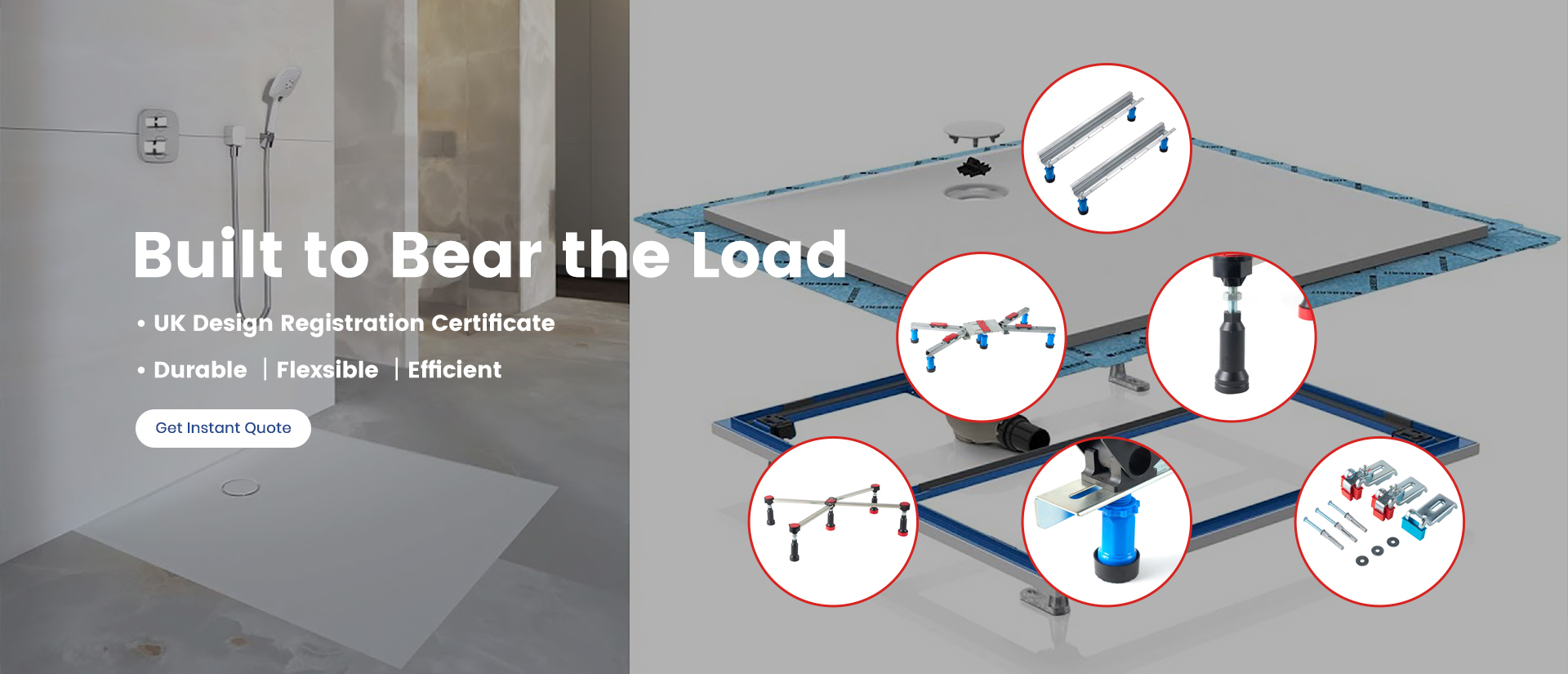
Choosing a reliable shower tray frame manufacturer in China is essential for European bathroom brands and distributors. Yuhuan JINYI Hardware Co., Ltd. stands out with over 30 years of export experience, CE certification, and ISO9227 NSS corrosion resistance testing, making it a trustworthy OEM partner.
Why Choose a Chinese Manufacturer for Shower Tray Frames?
China is a global hub for high-quality bathroom hardware manufacturing.
However, not every factory can meet European safety standards or offer design innovation.
JINYI excels by providing zinc-plated, corrosion-resistant shower tray frames that combine durability, adjustability, and aesthetic design.
About JINYI – Professional Shower Tray Frame Supplier
JINYI Hardware specializes in shower tray frames and support systems, serving OEM bathroom brands worldwide.
Our zinc-plated steel frames are robust, lightweight, and easy to install, providing perfect support for various shower tray shapes, including rectangular, square, and corner trays.
Key Advantages of JINYI Shower Tray Frames
- Zinc-Plated, CE Certified & ISO9227 NSS Tested
Zinc-plated steel ensures corrosion resistance, long-term durability, and a clean metallic finish. Combined with CE certification and ISO9227 NSS testing, JINYI frames meet strict European standards.
- EU & UK Design Patents
Our frames hold registered patents in the EU and UK, protecting originality and offering European buyers exclusive, legally recognized designs.
- OEM & ODM Customization
From adjustable legs, steel thickness, and frame size to private-label packaging, we support tailored solutions for your brand.
- Flexible MOQ & Fast Delivery
With minimum orders starting from 500–1000 sets, JINYI accommodates small brands and large distributors, ensuring timely supply to Europe and beyond.
Product Highlights
Zinc-plated steel body for corrosion resistance
Height-adjustable legs for easy leveling on uneven floors
Compatible with most European shower tray models
Easy access for plumbing maintenance
Optional integration with drainage or noise-reduction features
JINYI frames make installation faster, cleaner, and more reliable than traditional cement methods.
Why Choose JINYI for Global Brands
We combine technical innovation, certified quality, and reliable export logistics to deliver shower tray frames that meet international standards.
Whether for new constructions, renovations, or OEM brand projects, JINYI ensures your products are durable, safe, and visually appealing.
Contact JINYI – Your Trusted China Shower Tray Frame Supplier
Looking for a trusted OEM shower tray frame manufacturer with zinc-plated steel frames, EU & UK design patents, and 30 years export experience?
Visit: https://www.yh-jinyi.com
Email: [email protected]
-
Is Stainless Steel Manifold Changing Engineering Design
Jan 05, 2026
Why Are More Engineers Choosing Stainless Steel Manifold Systems Today
Stainless Steel Manifold Systems turn up more and more often on specification sheets, and for good reasons. Engineers pick them when they want predictable service, easier sanitation, and fewer surprises during installation and operation.
Practical reasons that matter on the job
People who build and run systems care about outcomes, not marketing lines. Stainless steel shines where longevity and cleanliness are priorities.
- Resists corrosion so systems stay cleaner longer. That matters where humidity, cleaning agents or variable temperatures are common. Less surface breakdown means fewer small failures that balloon into big headaches.
- Fits hygiene rules without contortions. Food, beverage and pharma plants demand equipment that's straightforward to sanitize. Smooth stainless surfaces and correct finishes make validation easier.
- Works with many process fluids. When you can use the same material for multiple lines, piping design gets simpler and stockpiles of spare parts shrink.
Design and workmanship change the game
It's not just the metal. How a manifold is made often matters more than its label.
- Good welds and smooth joints cut down on places where residue collects. That reduces cleaning time and lowers contamination risk.
- Compact, modular layouts save space and simplify piping runs. Installers appreciate when they don't have to invent workarounds on site.
- Proper passivation and finishing improve durability and cleaning performance. Ask suppliers about their surface treatments and testing.
Day-to-day wins for operations
After installation, the benefits are practical and immediate.
- Fewer surprise repairs. Corrosion-resistant assemblies typically call for fewer unplanned interventions, which keeps production steady.
- Cleaner product flow. Stable internal surfaces mean lower particle shedding — good for product quality and for reducing rework.
- Easier logistics. Standardizing on a single material helps procurement and spare parts management.
How engineers pick a supplier
When teams decide to switch, they usually run a quick checklist rather than hope for miracles.
- Inspect manufacturing records and weld procedures. Material certificates alone don't tell the whole story.
- Confirm modularity and future flexibility. Can the layout be adapted if process demands change?
- Evaluate maintainability. Are valves, gauges and sensors easy to reach?
- Check cleaning compatibility. Make sure the finish and joints suit the plant's sanitation regime.
A straightforward view on cost
Stainless can cost more up front. But when you balance purchase price against downtime, replacements and cleaning overhead, the long-term picture often favors investments that cut routine labor and unplanned outages. That's why many teams choose to pay a little more now to avoid a lot of friction later.
The shift toward stainless steel manifolds isn't about trend-chasing. It's practical: fewer interruptions, easier cleaning and a smoother fit with strict process standards. If you're planning a new line or upgrading an old one, focusing on fabrication quality, access for maintenance and alignment with cleaning routines will pay off faster than picking on price alone.
How Does a Stainless Steel Manifold Improve Flow Control Efficiency
A compact distribution assembly can change how fluids move through a plant. By consolidating ports, valves and measurement points into a single, well-organized unit, a stainless manifold reduces the number of pipe fittings, shortens flow paths and simplifies balancing exercises. Those effects add up: operators gain clearer control over flow rates, pressure distribution and isolation tasks.
How a compact assembly improves hydraulic behavior
- Fewer joints and shorter routes: Each connection in a piping network introduces some pressure loss and a potential source of turbulence. A single-block layout reduces coupling counts and keeps flow channels straighter, which helps maintain steady velocity profiles.
- Centralized valves for local control: Grouping shutoffs and regulating valves in one panel makes proportional adjustments faster and reduces transient swings that occur when operators must chase dispersed valves.
- Integrated metering and sampling points: Placing gauges and sample taps adjacent to the manifold yields more accurate local readings, so adjustments reflect true in-line conditions rather than averaged values taken far from the control point.
Benefits for process accuracy and uptime
- Easier balancing: When feed lines branch from a common block, technicians can adjust each circuit without affecting distant segments. That simplifies commissioning and reduces the number of iterative visits needed to reach target flows.
- Faster troubleshooting: A compact layout exposes the likely fault area quickly. If a pressure drop or flow mismatch appears, operators can isolate sections and confirm the cause with fewer valve moves.
- Lower leak risk: Consolidation reduces overall seam count. Fewer seams mean fewer opportunities for weeping connections, which in turn cuts repair cycles and the chance of unplanned shutdowns.
Why material choice matters for flow control
Stainless steel offers surface stability and resistance to many fluids and cleaning agents. That durability preserves internal passage geometry and valve seating conditions longer than some alternative materials, keeping flow paths predictable over repeated cycles. Stable passages and consistent valve performance translate to fewer flow swings and a steadier control response.
Design features that aid efficiency
- Modular ports: Removable sections or stacked modules let engineers add circuits or swap components without cutting mains or lengthy rework. That modularity supports phased upgrades and reduces commissioning time.
- Built-in balancing valves: Including adjustable throttles or needle valves at branch exits helps technicians fine-tune individual circuit flows while monitoring system-wide impacts.
- Manifold-mounted instrumentation: Pressure and flow indicators mounted directly on the block reduce instrument lag and give operators immediate feedback following adjustments.
Operation and maintenance practices that preserve performance
- Routine valve exercising: Periodic movements prevent sticking and preserve the expected control range.
- Visual checks at instrument points: Inspecting gauges and sample ports as part of daily rounds catches drift before it affects flow control.
- Keep internal surfaces clean: In processes where deposits form, scheduled cleaning prevents changes in hydraulic resistance that would otherwise force rebalancing.
Improvement area How manifold helps Pressure stability Shorter routes and fewer joints reduce loss and turbulence Balancing speed Central control points allow faster, precise adjustments Downtime risk Fewer connections and easier isolation lower repair needs Measurement accuracy Instruments mounted at source give truer readings Practical tips when specifying a distribution block
- Confirm port layout matches process piping direction to avoid unnecessary elbows.
- Specify access room or panel clearances so operators can reach valves and instruments without awkward maneuvers.
- Check compatibility of seals and valve materials with the fluids used; control accuracy suffers if seals swell or valves corrode.
An intelligently designed stainless distribution assembly streamlines how fluid circuits are controlled and measured. By reducing complexity in routing, shortening flow paths and co-locating control elements, it makes balancing, sampling and troubleshooting more direct. For systems where predictable flow behavior and straightforward maintenance are priorities, such an assembly is an effective tool for improving operational efficiency and reducing routine friction.
Which Design Features Matter When Selecting a Stainless Steel Manifold
Port layout and flow geometry
A compact block succeeds when its ports match the way piping is routed on site. Look for a configuration that minimizes sharp turns and unnecessary elbows, since those add resistance and create turbulence. Internal channels should follow smooth transitions rather than abrupt changes in cross section, which helps keep velocity profiles steady and reduces the chance that settling or erosion will alter performance over time.
Valve and isolation arrangement
Consider how many isolation points you need and where they sit relative to branch exits. Manifolds that group shutoffs and balancing valves near each circuit let technicians make local adjustments without disturbing other paths. Check that valves are accessible from the front or side panels so routine exercising, replacement and leak checks can be done without major disassembly.
Material selection and surface condition
Although the body is stainless, pay attention to the grade and to finishes on wetted surfaces. Internal polish and proper passivation reduce sites where deposits or corrosion products can form, which keeps pressure loss stable and extends the usable life of seals and seats. Choose seals and packing materials compatible with the fluids and cleaning agents used in the process.
Modularity and expandability
A modular design permits adding ports or swapping modules when production needs change. Slide-in stacks or removable end plates allow future reconfiguration with minimal pipe cutting. For plants that evolve, this flexibility shortens upgrade downtime and lowers long-term installation costs.
Instrumentation and monitoring provisions
Manifolds that provide built-in taps or bosses for pressure gauges, flow meters and sampling points make it easier to monitor each circuit. Instrument ports located close to control points reduce measurement lag and improve the accuracy of adjustments. Where remote monitoring is needed, provision for transmitters and wiring conduits simplifies integration.
Ease of maintenance and access
Design choices that simplify routine care pay off in uptime. Features to watch for include replaceable valve cartridges, clearly labeled ports, and service clearances that allow an operator to reach fasteners, valves and instruments without removing the entire block. Quick-change components speed repairs and cut the number of intervention steps.
Mounting, footprint and ergonomics
Check how the block attaches to supports and whether the mounting scheme matches available space. A unit that requires awkward access can force risky workarounds. Consider panel orientation — horizontal versus vertical — to match valve operation with human reach zones and to keep drains, sample points and vents in gravity-friendly positions.
Leak control and testing features
Designs that make leak detection straightforward reduce inspection time. Built-in test ports, double-seal arrangements for critical circuits and clear isolation sequences help teams confirm integrity during commissioning and after service. Ask whether the vendor performs hydrostatic or bubble testing before delivery to reduce setup surprises.
Compatibility with standards and certifications
Confirm compliance with relevant industry standards for materials, welding and pressure components. Certificates and traceable material reports are practical evidence of quality control and simplify acceptance testing on site.
Manufacturing quality and joinery
Weld technique and machining tolerances matter. Smooth, uniform welds and accurately machined faces ensure seals compress evenly and ports align precisely. Poor fit-up or rough finishes introduce leakage points and make valve operation less predictable.
Practical selection checklist
- Match port arrangement to piping runs to avoid extra elbows.
- Confirm valve type and location support local balancing tasks.
- Choose seals certified for the process fluids and cleaning agents.
- Prefer modular blocks for future circuit additions.
- Ensure instrumentation bosses are placed for accurate local readings.
- Verify service clearances and front access for routine maintenance.
- Require traceable material and welding documentation.
- Ask about factory testing and commissioning support options.
Feature area What to check Ports & flow Straight routing, smooth internal transitions Valves Accessible layout, replaceable cartridges Materials Internal finish, compatible seals Modularity Removable modules or stackable sections Instrumentation Local gauge/sample points, transmitter provision Maintenance Service clearance, labeled ports Documentation Material certificates, test records Selecting the right distribution block is an engineering tradeoff: the ideal unit balances hydraulic performance, serviceability and future adaptability within the constraints of your facility. By focusing on port geometry, valve layout, material conditioning and practical installation needs, you can choose a configuration that keeps flows steady and service tasks straightforward for years of operation.
-
Why Is the Manifold Bracket Essential for Achieving Organized Piping Systems
Jan 02, 2026
In today's piping installations—whether for homes, businesses, or large-scale industry—tidy organization goes well beyond looks; it's essential for optimal operation, straightforward upkeep, and extended service life. Among the various elements that support effective fluid or gas distribution, the manifold bracket proves to be an overlooked but vital contributor. Commonly ignored by anyone not directly involved, this seemingly minor component makes a substantial difference in building well-organized, trustworthy, and accessible piping setups. Isn't it surprising how much relies on something as simple as a well-placed manifold bracket?
Understanding the Basics: What Is a Manifold Bracket?
Understanding the value of manifold brackets begins with knowing the purpose of the manifold in any piping setup. A manifold acts as a central distribution point, receiving a single supply line—whether hot water from a boiler, chilled water from a chiller, or compressed air from a compressor—and efficiently splitting it into several controlled outlets. These outlets then feed individual zones, such as radiators, underfloor heating circuits, sanitary fixtures, or industrial equipment.
Our manifolds are crafted from premium materials including brass, stainless steel, and engineered plastics, chosen to meet the specific demands of pressure, temperature, and corrosion resistance in each application.
The manifold bracket is the purpose-designed mounting system that ensures the manifold remains firmly and correctly positioned. Built from high-strength materials like galvanized steel, aluminum, or reinforced composites, these brackets deliver exceptional stability and longevity. They typically include adjustable arms, multiple fixing points, and often incorporate vibration-reducing features for quieter and more reliable operation.
Brackets are securely fastened to walls, floors, or enclosure panels, holding the manifold at the ideal height and orientation to simplify pipe connections and future servicing.
Without a dedicated bracket, installers may resort to temporary fixings or unsupported mounting. Over time, this can cause the manifold to shift or sag, placing unnecessary strain on joints and connections. The result is often leaks, uneven flow distribution, noise, and costly repairs.
Choosing a proper manifold bracket guarantees a neat, professional installation that enhances system performance, reduces maintenance needs, and extends the overall lifespan of the piping network.
The Role of Organization in Piping Systems
Well-organized piping systems go beyond simple appearance—they play a key role in improving performance, safety, and overall cost efficiency. Poorly arranged pipes often create a range of practical problems:
- Longer Installation Times: Without structured support, fitting pipes takes longer as installers work around clutter, driving up labor expenses.
- Difficult Maintenance: Overlapping or misaligned pipes obstruct access to valves, connections, and other components during routine checks or repairs.
- Reduced System Efficiency: Improperly positioned manifolds can lead to uneven flow distribution, causing issues like hot and cold spots in heating circuits or inconsistent pressure in water supply lines.
- Potential Safety Risks: Unsecured elements are more prone to movement or failure under pressure, increasing the chance of leaks, bursts, flooding, or related hazards.
Manifold brackets solve these challenges by offering a solid, fixed mounting point that keeps everything precisely aligned. They promote clean, parallel pipe runs that minimize visual and physical clutter while making every connection easily reachable.
In larger installations, brackets support multiple manifolds arranged in stacks or side-by-side arrays. This modular approach allows straightforward system expansion or modifications without the need to rework existing pipework.
Investing in quality manifold brackets delivers a professional, reliable piping layout that saves time, lowers long-term costs, and ensures safe, efficient operation.
Key Benefits of Manifold Brackets
1. Unmatched Stability and Lasting Durability
- Manifold brackets provide robust support in piping systems exposed to constant stresses, including thermal expansion, vibrations from pumps or fluid flow, and external forces.
- By holding the manifold firmly in place, they eliminate shifting that could damage seals, joints, or fittings. In heating installations, frequent temperature cycles lead to material movement—secure bracketing preserves alignment and prevents connection fatigue.
- Many designs include vibration-dampening elements that absorb impacts, helping the entire system achieve greater longevity with minimal maintenance requirements.
2. Superior Flow and Operational Efficiency
- Properly mounted manifolds enable clean, direct pipe routing that reduces turbulence and flow resistance.
- This optimization lowers energy consumption for pumps and circulators, offering real savings in heating, cooling, and water supply applications.
- Precise, level installation supports accurate balancing of multiple circuits, avoiding issues such as air pockets or inconsistent distribution—delivering reliable, uniform performance across all zones.
3. Efficient Installation and Seamless Scalability
- Our brackets feature practical elements like pre-drilled holes and flexible adjustment options, ensuring fast and secure mounting on walls, floors, or other surfaces.
- This structured approach—install the bracket, fix the manifold, then run pipes—greatly reduces setup time and eliminates repeated corrections.
- For evolving systems, brackets facilitate orderly additions of new manifolds, maintaining a tidy configuration and allowing straightforward expansions or modifications later.
4. Professional Finish and Optimal Space Management
- Bracket-supported manifolds present a neat, high-standard appearance in utility spaces, mechanical rooms, or service areas.
- Wall mounting lifts the assembly clear of the floor, creating additional room below for storage or equipment—particularly advantageous in smaller or crowded installations.
- The organized layout also allows for thorough insulation around pipes, reducing energy losses and supporting efficient building performance.
5. Full Compliance with Safety and Building Regulations
- Plumbing and construction codes often require secure fixation of essential components to guarantee safety and dependability.
- Dedicated manifold brackets provide a trusted, standards-compliant mounting method. In seismic zones, enhanced anchoring options ensure stability during ground movement.
- This not only meets regulatory demands but also strengthens overall protection for the system, property, and users.
Design Variations and Material Options for Manifold Brackets
Manifold brackets come in a range of designs tailored to specific installation needs, helping maintain clean and efficient piping organization across different applications.
- Wall-Mounted Brackets: Perfect for space-saving vertical setups, these use strong L-shaped supports for reliable wall fixation. They are widely used in domestic water distribution and heating systems.
- Floor-Standing Brackets: Suited to larger or industrial environments, these offer a solid base directly on the floor, frequently with adjustable feet to accommodate uneven surfaces.
- Cabinet-Integrated Brackets: Designed for discreet installations, these mount inside enclosures or cupboards, keeping manifolds out of sight while preserving orderly pipe routing.
- Adjustable and Modular Brackets: These provide flexibility with height, angle, and positioning adjustments, making them ideal for bespoke or complex layouts.
Material selection is equally important for performance and longevity. Steel brackets deliver exceptional strength and are preferred for high-pressure or heavy-duty applications. Plastic or composite versions excel in damp or corrosive conditions thanks to their excellent resistance to rust and degradation.
Selecting the appropriate design and material ensures lasting organization, reliability, and protection against environmental challenges.
Installation Best Practices
Achieving the full advantages of manifold brackets requires careful and correct installation. Begin by choosing a bracket that matches the manifold's dimensions, weight, and intended use. Verify that the mounting surface is solid—such as a stud, masonry, or reinforced panel.
Follow these recommended steps for a professional result:
- Accurately mark and drill pilot holes for fixings or anchors.
- Fasten the bracket securely, using a spirit level to confirm it is perfectly vertical and horizontal.
- Mount the manifold onto the bracket, tightening all clamps or bolts evenly to avoid distortion.
- Complete pipe connections, clearly labelling each circuit for easier future identification.
- Pressurize and test the system thoroughly, checking for leaks, unusual noise, or excessive vibration.
Avoid common pitfalls such as over-tightening fasteners, which may bend or damage the bracket, or failing to allow sufficient clearance for thermal expansion—which can create stress on components over time.
Proper installation guarantees a neat, stable, and long-lasting piping arrangement.
Real-World Applications and Case Studies
Residential Heating Systems
In homes equipped with radiant floor heating, manifold brackets play a vital role in neatly distributing flow to multiple heating loops. They prevent pipes from becoming tangled or crowded, ensuring straightforward connections and reliable thermostat operation.
For example, during a recent suburban home renovation, the use of our brackets cut installation time by 40% and completely resolved previous problems with uneven room temperatures, delivering consistent warmth throughout the property.
Commercial Plumbing
In office buildings and multi-tenant spaces, manifolds manage zoned water supply efficiently. Brackets maintain these units in utility rooms with clear, accessible layouts that simplify routine maintenance and inspections.
In a modern high-rise project, properly bracketed manifolds withstood a sudden pressure surge without any failures, preventing potential flooding and saving the building management thousands in repair costs.
Industrial Fluid Distribution
Manufacturing facilities depend on manifolds for distributing chemicals, compressed air, or other fluids. Brackets provide secure and orderly routing, significantly lowering the risk of accidents and improving overall workplace safety.
One automotive assembly plant reported noticeably higher system uptime after switching to bracket-supported manifolds, as realignments and adjustments became rare, keeping production running smoothly.
Sustainable and Smart Systems
In energy-efficient and modern eco-friendly constructions, brackets support advanced manifolds equipped with sensors and controls. The organized layout makes it simple to integrate IoT devices for real-time monitoring and automated adjustments, further boosting system efficiency and reducing energy use.
Challenges and Practical Solutions
While manifold brackets offer clear advantages, a few common challenges can arise. Initial cost may concern budget-conscious projects, though the resulting savings in time, maintenance, and repairs quickly outweigh the investment.
Compatibility with non-standard manifolds is easily addressed by our range of universal bracket designs. In retrofit situations where space is limited, flexible mounting options allow for creative yet secure placements.
Ongoing innovations, including custom 3D-printed brackets, continue to resolve these issues and deliver even greater levels of organization and adaptability for future installations.
Despite its modest size, the manifold bracket holds tremendous importance in modern piping installations. By firmly securing the manifold, it ensures stability, order, accessibility, and overall safety—converting what could easily become a disordered web of pipes into a streamlined, high-performing, and trustworthy system.
For designers, installers, contractors, and property managers, dismissing this essential component is a costly oversight. Far beyond basic hardware, the manifold bracket acts as the central organizing feature that sustains system efficiency, durability, and ease of upkeep.
Using manifold brackets is not optional—it is a proven best practice for anyone dedicated to delivering piping systems that are dependable, resilient, and simple to maintain throughout their lifespan.
Ultimately, just as a building's infrastructure relies on its piping network as a foundational framework, the manifold bracket serves as its core support: compact yet crucial, keeping everything precisely aligned, securely positioned, and fully prepared to deliver optimal performance.
-
Reliable Manufacturer of Shower Tray Frame Why Global Buyers Trust JINYI
Dec 31, 2025
In the modern bathroom industry, a high-quality shower tray frame is the foundation of a safe, durable, and aesthetically pleasing shower installation. For global buyers, sourcing reliable shower tray frames is a challenge—quality, certification, and design compliance are essential. This is where Yuhuan JINYI Hardware Co., Ltd. stands out as a trusted partner. With over 30 years of manufacturing experience, JINYI has become a preferred choice for clients worldwide looking for durable and innovative shower tray support solutions.
Why Choose a Shower Tray Frame Instead of Traditional Installation
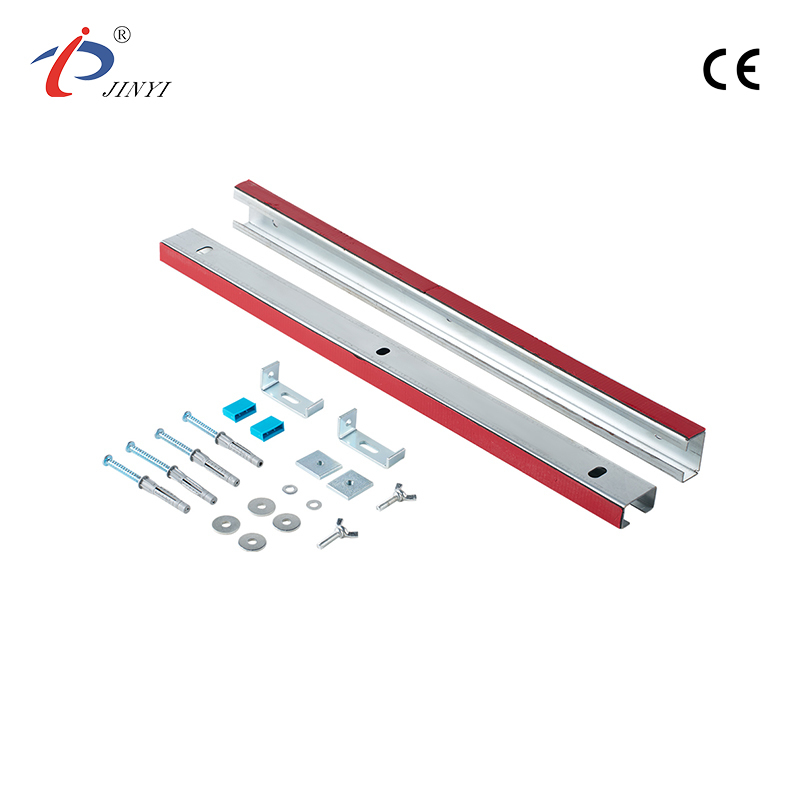
Traditional cement or mortar installations for shower trays are often labor-intensive, time-consuming, and prone to uneven settling. A metal shower tray frame provides a stable, adjustable, and easy-to-install solution. Typically made of zinc-plated steel, these frames are resistant to corrosion and deformation, ensuring long-term support. Global buyers increasingly prefer these frames because they offer:
Enhanced Stability: The robust metal structure prevents the tray from sagging over time.
Time Efficiency: Quick assembly reduces installation time and labor costs.
Compliance: Many frames, including JINYI’s, are CE certified, meeting international quality and safety standards.
JINYI’s Edge in the Shower Tray Frame Market
JINYI is not just another manufacturer. The company combines decades of expertise with modern production technology to deliver frames that meet European and British design standards. Key advantages include:
Certified Quality: All JINYI shower tray frames carry CE certification, ensuring they meet rigorous safety and quality standards for global markets.
Innovative Design: JINYI holds both EU and UK design patents, offering unique frames that are functional and visually appealing.
Customizable Solutions: With an MOQ of 500–1000 pieces, JINYI can provide OEM/ODM services tailored to buyers’ specifications.
Durable Materials: Frames are typically zinc-plated steel, providing corrosion resistance and long-term stability, even in high-humidity environments.
Global Reach: From Europe to North America, JINYI supplies reliable shower tray frames to distributors, bathroom brands, and construction projects worldwide.
Trust is built on consistent quality, responsive service, and proven reliability. JINYI understands the challenges buyers face—tight deadlines, regulatory compliance, and the need for durable bathroom solutions. By offering robust support frames, clear certifications, and responsive customer service, JINYI ensures buyers can confidently source shower tray frames for their projects without worrying about installation failures or design inconsistencies.
Eco-Friendly and Sustainable Practices
More buyers now consider the environmental impact of construction products. JINYI’s manufacturing process emphasizes eco-friendly materials and responsible production. Zinc-plated steel is recyclable, and JINYI’s efficient production methods minimize waste. This not only meets market demand for sustainable solutions but also aligns with global construction trends toward green building.
Partnering with JINYI: What Buyers Can Expect
Global buyers working with JINYI can expect:
Prompt Samples & Quotation: Fast delivery of product samples for evaluation.
Tailored OEM/ODM Services: Custom sizing, design, and packaging solutions.
Professional Technical Support: Guidance on installation and product selection.
Reliable Logistics: Efficient shipping methods to ensure timely delivery worldwide.
Conclusion
In a competitive bathroom hardware market, partnering with a reliable manufacturer like JINYI can make all the difference. From CE-certified, zinc-plated shower tray frames to patented designs and responsive service, JINYI continues to earn the trust of global buyers. Whether you are a distributor, a bathroom brand, or a construction company, choosing JINYI means choosing durability, compliance, and peace of mind for every shower installation.
-
How a Well-Designed Manifold Bracket Improves Installation Accuracy and Structural Support
Dec 29, 2025
Let's face it: manifold brackets aren't the kind of part that gets anyone hyped up. They don't rev, flash, make noise, or come wrapped in slick promo videos. Yet in real-world industrial setups—whether hydraulic, pneumatic, fluid transfer, or thermal management systems—these brackets are the unsung heroes that quietly carry the load.
A thoughtfully engineered manifold bracket does far more than simply secure a manifold in place. It directly influences installation precision, ensures proper load paths through the structure, controls long-term vibration effects, and keeps the technician from losing their mind during a late-night job. So what happens when you finally give this overlooked component the design attention it deserves?
1. The Manifold-Bracket Relationship: More Than "Something to Bolt It To"
A manifold is a convergence point. Multiple lines, multiple forces, multiple directions—all meeting in one block of material. The bracket is the translator between that concentrated complexity and the larger structure of the machine or facility.
When the bracket is poorly designed, the manifold inherits every problem:
- Misalignment
- Uneven stress
- Installation guesswork
- Long-term fatigue
When the bracket is well designed, the manifold behaves like it was always meant to be there.
Think of the bracket as the manifold's posture coach. Good posture? Everything lines up, stress is distributed, and movement is controlled. Bad posture? Pain now, bigger problems later.
2. Installation Accuracy: Where Design Either Saves You or Ruins Your Day
Installation accuracy isn't just about things looking straight—it's about ensuring that ports align, seals seat correctly, and connected components don't fight each other under load.
2.1 Precision Starts Before the Installer Shows Up
A well-designed manifold bracket:
- Defines exact mounting planes
- Controls manifold orientation
- Establishes repeatable positioning
Instead of "eyeballing" alignment during installation, the bracket forces correctness. The installer doesn't have to think; the geometry does the thinking for them. That's elite design energy.
Poor brackets rely on installer skill to compensate. Good brackets remove the need for heroics altogether.
2.2 Datum Surfaces and Controlled Positioning
High-quality brackets use intentional datum surfaces—flat, square, and dimensionally controlled features that reference the manifold to the rest of the system.
This matters because:
- Ports align consistently with tubing or hoses
- Fasteners seat evenly
- Tolerances stack predictably instead of chaotically
In other words, the bracket acts as a physical truth-teller. If something doesn't fit, you know it's not “close enough”—it's actually wrong.
2.3 Slot Design vs. Hole Design (Yes, It Matters)
One of the most underrated design decisions is whether mounting points are holes or slots.
- Fixed holes lock in accuracy
- Slots allow controlled adjustment
A well-designed bracket uses both intentionally. Slots might allow minor positional tuning during installation, while fixed holes preserve critical alignment axes. Random slots everywhere? That's not flexibility—that's chaos with extra steps.
2.4 Reducing Installer-Induced Error
Let's keep it honest: installers are human. Fatigue, time pressure, awkward access, and imperfect tools all introduce error.
A good bracket:
- Self-locates
- Supports the manifold during fastening
- Prevents rotation or sag while bolts are tightened
This means fewer cross-threaded fasteners, fewer rework cycles, and way less "wait, that doesn't look right" energy.
3. Structural Support: Holding Weight Is the Bare Minimum
If your bracket only survives static load calculations, congrats—you passed level one. Real-world structural support is about managing dynamic forces over time.
3.1 Load Distribution: The Silent Game-Changer
A well-designed manifold bracket distributes loads evenly across:
- The manifold body
- Fasteners
- Supporting structure
Instead of concentrating stress at two bolts or one thin flange, the bracket spreads forces through ribs, gussets, and broad contact areas. This reduces:
- Local deformation
- Bolt loosening
- Micro-cracking in the manifold body
Even load paths = longer life. It's math, not magic.
3.2 Managing Vibration and Dynamic Forces
Manifolds don't live in peaceful environments. Pumps pulse. Valves snap. Machines move. Vibration is inevitable.
A good bracket design:
- Increases system stiffness
- Raises natural frequencies away from excitation ranges
- Prevents resonance amplification
In simple terms: the bracket helps the manifold not freak out every time the system cycles.
This directly improves:
- Seal longevity
- Fastener retention
- Noise levels
- Operator confidence (seriously—rattling systems feel wrong even when they technically work)
3.3 Fatigue Resistance: Designing for the Long Game
Structural support isn't about surviving day one—it's about surviving year five.
- Well-designed brackets:
- Avoid sharp internal corners
- Use consistent wall thicknesses
- Eliminate stress risers around mounting points
These choices dramatically improve fatigue life. The manifold stays supported not just when new, but after millions of pressure cycles and thermal swings.
That's the difference between "works in testing" and "works in real life."
4. Alignment Preservation Over Time
Installation accuracy doesn't end when the bolts are torqued. Thermal expansion, vibration, and load changes all try to pull things out of alignment over time.
A smart bracket design anticipates this.
4.1 Thermal Behavior Isn't Optional
Different materials expand at different rates. A bracket that ignores thermal effects can:
- Warp
- Induce bending loads
- Pull manifolds out of square
Well-designed brackets either:
- Match material expansion rates
- Include compliance where needed
- Isolate sensitive components from thermal distortion
The result? Alignment that survives temperature swings instead of panicking every time the system warms up.
4.2 Preventing Creep and Gradual Shift
Under constant load, materials can slowly deform—a phenomenon called creep. Over time, this can shift manifold position and compromise accuracy.
Good brackets counter this by:
- Using sufficient section thickness
- Avoiding long, unsupported spans
- Reinforcing high-load regions
The manifold stays where it was installed. Wild concept, but very effective.
5. Installation Speed, Consistency, and Cost
Here's the plot twist: better brackets often reduce total system cost.
5.1 Faster Installation = Fewer Labor Hours
When a bracket:
- Is intuitive
- Fits only one correct way
- Supports the manifold during mounting
Installation time drops. Not by minutes—sometimes by hours, especially in complex systems.
Multiply that across production volumes or field installs, and suddenly the bracket paid for itself.
5.2 Repeatability Across Builds
In production environments, consistency is everything.
A well-designed bracket ensures:
- Every manifold sits in the same position
- Tubing runs repeat cleanly
- Downstream components don't need adjustment
This reduces variation, which reduces troubleshooting, which reduces those "why is this one different?" meetings nobody enjoys.
5.3 Fewer Failures, Fewer Callbacks
Structural support failures are expensive. They cause leaks, downtime, safety incidents, and warranty claims.
A robust bracket design lowers the probability of all of that. Quietly. Relentlessly. Like a mechanical bodyguard.
6. Design Features That Separate Good Brackets from Great Ones
Let's summarize the traits that consistently show up in high-performing manifold brackets:
- Clearly defined datum surfaces
- Intentional use of slots and fixed holes
- Load-spreading geometry (ribs, flanges, gussets)
- Vibration-aware stiffness
- Fatigue-friendly transitions and radii
- Installer-friendly access and support
- Alignment preservation over time
None of these are flashy. All of them matter.
7. The Big Picture: Why This All Matters More Than People Think
In complex systems, failure rarely starts with the "important" components. It starts with the overlooked ones.
A manifold bracket:
- Sets alignment
- Controls stress
- Influences vibration
- Shapes installation behavior
It's a leverage point. A small design decision with outsized consequences.
So yeah—brackets aren't exciting. But the systems that don't fail? Those are exciting. And more often than not, a well-designed manifold bracket is quietly responsible.
To achieve superior installation accuracy and robust structural support, don't just focus on better materials or tighter tolerances. Instead, elevate the design philosophy behind the bracket with JINYI's precision engineering. When JINYI crafts a bracket just right, everything else aligns effortlessly—overcoming gravity, physics, and human error to work in perfect harmony.
-
What Is a Manifold Bracket and Why It Matters in Pipe Support Systems
Dec 26, 2025
In industrial piping systems, stability and organization are far from optional—they are critical for safety, efficiency, and long-term reliability. Any engineer or technician can attest to the problems that arise when pipes are improperly supported, misaligned, or subjected to unforeseen stress. This is where manifold brackets become essential. Often underestimated in discussions about pipe support, these components help maintain structural strength, reduce maintenance demands, and ensure smooth system operation—but have we really recognized their full importance?
Understanding Manifold Brackets
A manifold bracket is a robust structural component engineered to securely mount and stabilize a manifold within a piping system. The manifold serves as a central distribution point, allowing multiple lines to connect, branch off, or manage the flow of fluids, gases, or other substances with precision.
Found in a wide array of industrial environments—including water treatment plants, heating and cooling systems, and chemical processing operations—the manifold is indispensable for effective flow regulation and distribution.
To ensure lasting performance, manifolds require strong support to withstand stresses from their own weight, ongoing vibrations, temperature changes, and external forces. This is the primary role of the manifold bracket: it anchors the manifold firmly to walls, ceilings, or structural frames, preventing movement and potential damage.
Our brackets are available in various designs, precisely adapted to the manifold’s size, configuration, and load demands, guaranteeing optimal stability and operational reliability in every installation.
Types of Manifold Brackets
Manifold brackets come in various designs to meet the specific demands of different piping systems and operating environments. Here are the primary types we provide:
- Fixed Brackets: These offer unwavering, rigid support that completely restricts manifold movement. They are best suited for installations with little to no thermal expansion or where maintaining precise alignment is a top priority.
- Adjustable Brackets: Built with flexibility in mind, these brackets enable fine-tuned positioning during setup and allow for small shifts due to temperature changes, ensuring secure support without rigidity.
- Sliding Brackets: Specifically engineered for applications with notable thermal expansion, sliding brackets hold the manifold steadily while permitting smooth, guided movement along a set direction. This helps eliminate undue stress on piping connections.
- Custom Brackets: When standard options do not suffice—due to unconventional manifold shapes, unique weight distribution, or specialized requirements—we design and manufacture bespoke brackets. These may feature added reinforcements, vibration control elements, or extra fastening points for superior performance.
The key to optimal selection lies in thoroughly reviewing load requirements, site conditions, temperature variations, and system stresses to deliver durable, dependable support tailored to your needs.
The Importance of Manifold Brackets
Manifold brackets are vital for the performance, safety, and longevity of any piping installation.
- Structural Integrity
- Manifolds frequently manage several high-pressure connections, creating forces that pull in multiple directions. Insufficient support can lead to strained joints, bending, or even complete system failure. Our brackets effectively distribute these loads and weights, safeguarding the manifold's form and ensuring lasting structural reliability.
- Vibration Control
- In most industrial operations, vibrations from machinery such as pumps and compressors are unavoidable. These ongoing movements can loosen fittings, cause material fatigue, and drive up maintenance needs. Brackets with built-in damping features significantly reduce vibration transfer, helping to prolong the service life of the manifold and connected piping.
- Alignment and Efficiency
- Proper alignment is essential for smooth and efficient fluid or gas flow. Even minor shifts can result in pressure losses, flow disruptions, or leaks. By maintaining the manifold in its intended position, our brackets support optimal system performance and minimize unplanned downtime.
- Safety and Compliance
- Industry regulations and standards require adequate support for manifolds and piping to prevent accidents and maintain safe operations. In fields like chemical processing, oil, and gas, failing to comply can lead to penalties, forced shutdowns, or risks to workers. Our brackets enable full compliance while reducing the dangers associated with potential system failures.
- Simplified Maintenance
- A firmly supported manifold greatly eases routine service and inspections. Technicians gain clear, unobstructed access to valves, instruments, and connections, avoiding complications from unstable or shifting components. This results in shorter service times, lower labor expenses, and reduced risk of damage during maintenance activities.
Important Installation Guidelines for Manifold Brackets
Installing a manifold bracket effectively goes beyond simple attachment to a wall or framework. To achieve a secure and long-lasting setup, several key aspects must be carefully evaluated:
- Load Capacity Evaluation: Determine the complete weight of the manifold system, accounting for the added load when filled with fluid. This step verifies that the bracket can reliably manage both constant static weights and any varying dynamic loads during use.
- Allowance for Thermal Expansion: Piping networks often experience temperature shifts that result in material expansion or contraction. Bracket configurations should incorporate provisions for these movements to eliminate potential stress accumulation.
- Resistance to Corrosion: In demanding conditions, such as those found in chemical processing plants or near coastal areas, opting for materials like stainless steel or coated carbon steel substantially increases the bracket's resistance to degradation and extends its operational life.
- Ease of Access: The bracket's placement and structure must ensure full, unimpeded access to valves, sensors, instrumentation, and other vital elements for ongoing maintenance and inspections.
- Vibration Mitigation: In settings with substantial vibration, employing vibration-dampening components or flexible mounting options helps reduce component wear and guards against fatigue-related issues over time.
Common Industry Applications
Manifold brackets serve as critical support elements in a variety of industrial environments, delivering stability and organization in complex systems. Notable applications include:
- Municipal Water Systems: Water treatment and supply facilities use manifold brackets to firmly support elaborate piping configurations that direct flow to different regions and communities.
- Chemical Processing Plants: Facilities handling corrosive or pressurized substances require dependable bracket systems to uphold manifold stability and minimize risks of leaks or operational disruptions.
- HVAC Infrastructure: Heating, ventilation, and air conditioning setups benefit from manifold brackets that maintain alignment and organization of multiple fluid pathways for optimal efficiency.
- Oil and Gas Operations: Both onshore refineries and offshore installations rely on durable manifold brackets to secure assemblies against intense vibration, adverse weather conditions, and high-pressure demands.
Key Factors to Consider When Selecting a Manifold Bracket
At our company, we understand that choosing the right mounting bracket for your manifold is essential for achieving reliable performance and long-lasting results. Here are the primary factors we evaluate to ensure the best solution for your application:
- Load-Bearing Capacity: The bracket must confidently support the complete weight of the manifold, including fluids, attached piping, and any vibrational or operational forces.
- Resistance to Environmental Conditions: It needs to endure exposure to varying temperatures, humidity levels, aggressive chemicals, and ultraviolet light without compromising integrity.
- Compatibility with System Design: The bracket should fit the manifold's specific shape and dimensions perfectly, while integrating smoothly with the overall piping and layout.
- Accessibility for Maintenance: The mounting solution must allow ample space for technicians to carry out inspections, repairs, and regular maintenance safely and efficiently.
- Adherence to Regulations: Every bracket we provide complies with established industry standards, certifications, and applicable local codes.
Taking these elements into account during the planning and selection process helps prevent issues down the line, reduces upkeep requirements, and promotes safe, dependable system operation.
While they may appear as modest elements in the complex world of industrial piping systems, manifold brackets play a vital role far beyond their size. They are indispensable for preserving structural stability, damping vibrations, maintaining precise alignment, and enhancing overall safety. Choosing the right bracket design from a trusted manufacturer like JINYI, along with expert installation, not only boosts the dependability of piping systems but also lowers long-term maintenance expenses and operational interruptions.
In today's landscape, where industrial productivity and safety standards are non-negotiable, prioritizing effective manifold support is a necessity. From small-scale chemical facilities to expansive municipal water networks, high-quality manifold brackets from JINYI silently yet reliably sustain the foundation of essential infrastructure. The next time you notice an unassuming bracket securing a manifold, appreciate it: that simple component is performing a critical task, ensuring systems operate smoothly and securely.
-
Exporting Shower Tray Support Frames Worldwide: CE-Certified Quality from China
Dec 24, 2025
In today’s competitive bathroom fixtures market, quality, reliability, and compliance are paramount. For builders, contractors, and distributors sourcing shower trays, the right support system can make all the difference in installation efficiency, durability, and customer satisfaction. That’s why shower tray support frames from trusted manufacturers in China, like Yuhuan JINYI Hardware Co., Ltd, are increasingly becoming the preferred choice for global buyers.
Why Shower Tray Support Frames Matter
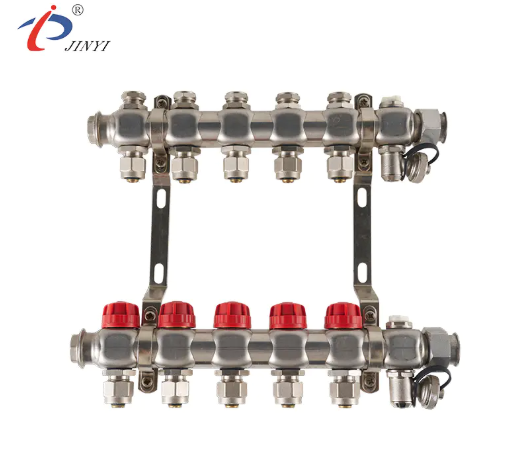
Shower tray support frames are the unsung heroes of every modern bathroom installation. They provide the essential support that ensures shower trays remain level, stable, and durable over years of use. Unlike traditional cement or tile-based installations, metal support frames and adjustable systems offer precision leveling, easier installation, and long-term reliability.
Whether it’s a residential bathroom renovation or a large-scale hotel project, using high-quality shower tray support frames reduces installation errors, prevents water leakage issues, and saves both time and labor costs.
CE Certification: A Guarantee of Safety and Quality
One of the important factors buyers consider when importing hardware products is certification. JINYI’s shower tray support frames are CE-certified, meaning they meet stringent European safety, health, and environmental standards. This certification gives buyers confidence that they are sourcing products that comply with international regulations, ensuring smooth customs clearance and reduced liability.
The CE mark is not just a regulatory requirement—it’s a mark of trust. For distributors in the EU, UK, North America, and beyond, sourcing CE-certified products signals professionalism and commitment to quality.
Designed for Global Markets
JINYI has over 30 years of experience manufacturing bathroom hardware, specializing in shower tray support frames. The company combines advanced metal processing techniques with innovative designs to deliver products that are both functional and aesthetically pleasing.
Most shower tray support frames are made from zinc-plated steel, providing superior rust resistance and durability. Some models also feature UK and EU design patents, reflecting JINYI’s commitment to innovation and market-specific design. Adjustable support frame systems accommodate a wide range of tray sizes and installation conditions, making them suitable for various markets and customer needs.
Why Buyers Choose JINYI
Extensive Product Range – From standard support frames to complete adjustable systems, JINYI offers a solution for every installation requirement.
OEM & ODM Services – Custom designs, branding, and packaging options are available to help buyers differentiate in competitive markets.
Global Logistics Support – With experience exporting to Europe, North America, and Asia, JINYI ensures timely delivery and smooth shipping processes.
After-Sales Service – Buyers receive technical guidance, installation support, and responsive customer service, ensuring confidence in every order.
Applications Across the Bathroom Industry
Shower tray support frames are used in a wide variety of settings:
Residential bathrooms – Ensuring stable and level shower installations in apartments, houses, and villas.
Hotels and resorts – Providing durable, professional-grade installations that withstand heavy daily use.
Commercial and public buildings – Reducing maintenance issues and improving long-term durability.
How to Source Shower Tray Support Frames from China
For international buyers, working with a reliable manufacturer like JINYI simplifies the sourcing process. Minimum order quantities are flexible, and CE-certified products allow smooth entry into regulated markets. Buyers can request samples, review product documentation, and even design custom packaging to align with their brand strategy.
Partnering with a manufacturer that understands both quality and compliance ensures that your products meet customer expectations and industry standards.
Conclusion
As the global demand for high-quality bathroom fixtures continues to grow, CE-certified shower tray support frames from JINYI offer a reliable, durable, and cost-effective solution. With decades of manufacturing experience, patented designs, and a commitment to international standards, JINYI helps businesses worldwide install showers that last.
For distributors, contractors, and bathroom product suppliers looking to expand their portfolio with premium, CE-certified hardware, JINYI is the trusted partner for shower tray support frame exports from China.
Discover more about our products and global supply solutions at https://www.yh-jinyi.com.
-
How Do You Choose the Right Manifold Bracket for Your Industrial Needs
Dec 22, 2025
Manifold brackets often go unnoticed, tucked away in the shadows of complex systems, typically appearing as nothing more than a minor entry on an engineering drawing or a simple part number in a bill of materials. In reality, though, they play a far greater role than their humble status suggests, directly impacting whether an industrial setup installs without hassle, maintains proper alignment, and delivers consistent reliability throughout its service life. Select one carelessly, and issues may not surface right away—but they inevitably will, manifesting as subtle leaks, persistent vibrations, or recurring maintenance headaches that defy easy explanation.
Choosing the right manifold bracket goes beyond merely finding one that "fits." It involves picking a critical structural and positioning element that integrates seamlessly with the system's loads, operating environment, and day-to-day human interaction. With countless options on the market, how do you make the choice that truly ensures lasting performance?
Why Manifold Brackets Matter
Manifold brackets deliver the vital structural support needed for manifolds, which efficiently distribute fluids or gases from a single source to several outlets. In demanding environments like hydraulic circuits, pneumatic installations, and pipeline distribution systems, manifolds endure continuous stresses from weight, vibrations, and operating pressures. A properly designed bracket anchors the manifold securely, eliminating unwanted movement that could weaken joints or introduce failure risks.
Inadequate support for a manifold can result in:
- Connection misalignment, leading to reduced system efficiency
- Leakage at seals and fittings due to repeated stress
- Accelerated fatigue in components, significantly shortening the service life of valves, piping, and the manifold
Selecting the correct bracket is far more than a basic mounting decision—it plays a key role in safeguarding the performance, safety, and durability of your complete system.
Determining the Right Bracket for Your Application
Choosing the ideal manifold bracket requires careful evaluation of your system's unique operational demands. The main aspects to review are:
a. Load Capacity Manifolds differ greatly in weight and dimensions, meaning the bracket needs to securely manage:
- Static weight: the combined mass of the manifold and any connected parts
- Dynamic forces: stresses arising from vibrations, pressure changes, or mechanical motion
Failing to account for these loads properly is a leading cause of premature bracket issues.
b. Operating Environment No two installation sites are identical, so consider these influences:
- Temperature ranges: Both high heat and extreme cold can impact material integrity.
- Exposure to corrosion: In harsh settings like chemical processing or exterior locations, select brackets made from stainless steel or with specialized coatings.
- Particulates and debris: Opt for configurations that resist accumulation and ensure uninterrupted function.
c. Vibration Control For applications with significant vibration, the bracket should either absorb impacts or offer unyielding stability to shield the manifold. Incorporating elements like shock-absorbing pads or resilient mounts can greatly enhance the longevity of the bracket and the overall assembly.
d. Installation Space and Serviceability Physical constraints are essential to address. Your bracket must:
- Integrate seamlessly into the available area
- Facilitate straightforward access for servicing and checks
- Maintain adequate room around pipes, valves, and gauges
- Support possible upcoming upgrades or alterations
Even a bracket that seems perfect in theory can cause complications if it hinders access or conflicts with surrounding elements.
Choosing the Right Material
The material used for your manifold bracket directly impacts its strength, longevity, and ability to withstand operating conditions. Popular choices in industrial applications include:
- Steel: Offers excellent strength and affordability, making it a solid option for demanding loads in controlled, dry settings—though it requires protection against corrosion.
- Stainless steel: Provides robust strength along with superior resistance to rust and chemicals, ideal for harsh environments such as chemical processing, marine installations, or food-grade systems.
- Aluminum: Delivers lightweight construction with good corrosion resistance, perfect for applications where reducing overall weight is important, despite lower load-bearing capacity.
- Composite or coated options: Engineered for extreme chemical exposure or specialized conditions, these materials prioritize resistance but may have reduced strength limits.
When selecting a material, carefully weigh factors like required strength, budget, environmental challenges, and weight considerations to achieve the best performance.
Verifying System Compatibility
A bracket's effectiveness depends on how well it integrates with your manifold and overall setup—even the most durable design can underperform if compatibility is overlooked. Essential checks include:
- Mounting hole patterns: Ensure perfect alignment with the manifold's bolt holes for secure attachment.
- Overall dimensions: Confirm the bracket won't interfere with surrounding pipes, valves, or instrumentation.
- Even load distribution: The design should support the manifold uniformly to avoid concentrated stress and potential damage.
In cases of unique or retrofit installations, custom-fabricated brackets often provide the optimal solution. Tailored designs ensure exact fit, precise alignment, and maximum support for non-standard configurations.
Focusing on Installation and Ongoing Maintenance
Your choice of manifold bracket should emphasize simplicity during installation and ease of maintenance over its lifespan. Important aspects to review are:
- Accessibility: The design should enable quick and straightforward mounting without needing to disassemble or remove nearby system elements.
- Adjustability: Modular or flexible brackets make it easier to adapt to future changes, expansions, or upgrades in your setup.
- Securing methods: Options like bolting, welding, or clamping each influence the installation process and how accessible the bracket remains for future servicing.
A bracket that facilitates efficient installation not only cuts down on labor time and costs but also helps avoid setup errors that might impact safety or system dependability.
Considering Cost in Relation to Long-Term Value
Opting for the cheapest bracket available can seem appealing at first, but the hidden costs of potential problems often prove far greater. Failures from an inadequate bracket may cause:
- Leaks and resulting production interruptions
- Frequent repairs and early replacements
- Increased safety concerns for your team
By selecting a high-quality bracket from the start, you gain dependable performance, improved safety, and substantially reduced overall ownership expenses in the long run.
Incorporating Customization and Specialized Enhancements
Industrial systems across various sectors can achieve optimal performance through brackets featuring targeted customizations and advanced elements, including:
- Adjustable extensions or multi-position mounting for enhanced versatility
- Inbuilt vibration mitigation technology for superior steadiness
- Custom protective finishes suited to demanding or corrosive settings
- Minimalist, efficient layouts ideal for installations with space constraints
In high-precision fields such as aerospace engineering, pharmaceutical production, petrochemical facilities, and robust machinery applications, purpose-built custom brackets typically offer the exacting standards of fit, durability, and efficiency demanded.
Ensuring Rigorous Testing and Full Compliance
Brackets for industrial environments are expected to satisfy key industry standards and maintain valid certifications. Essential checks involve:
- Detailed load evaluations to prove resilience against both constant and variable forces
- Confirmed material credentials demonstrating effective corrosion protection and enduring mechanical reliability
- Complete alignment with mandatory guidelines, especially in regulated areas like food manufacturing, pharmaceuticals, or chemical operations
Adhering to these standards provides strong operational safeguards while effectively managing potential risks and compliance obligations.
Drawing on Professional Knowledge and Support
For complex or bespoke setups, partnering with seasoned experts frequently delivers outstanding outcomes. Established manufacturers and qualified engineers are equipped to provide:
- High-precision CAD representations and models for meticulous design and fitting
- Informed suggestions precisely matched to your particular operational needs
- End-to-end guidance covering tailored development, manufacturing, and deployment
Engaging specialist advice right from the planning phase prevents avoidable issues and secures a bracket that comprehensively fulfills the distinct demands of your setup.
Choosing the right manifold bracket goes far beyond merely holding a component in place. It requires careful consideration of operational requirements, environmental factors, material characteristics, system compatibility, installation practicalities, and long-term economic benefits.
With a well-chosen bracket from JINYI, you gain enhanced system stability, minimized component wear, effective leak prevention, and improved overall operational performance. In any industrial setup, each part plays a vital role. A quality JINYI manifold bracket works discreetly in the background, reliably supporting the safety and efficiency of your complete operation.
-
Which Materials Ensure Long-Lasting Shower Tray Support Legs
Dec 19, 2025
Which Materials for Shower Tray Support Legs Offer Long Term Stability
When planning a bathroom renovation, selecting the right Shower Tray Support Legs is crucial to ensure stability and long-term performance. While the tray itself is often the focus of attention, the underlying support structure plays a critical role in preventing uneven surfaces, water-related issues, and structural stress over time. Choosing materials that maintain durability and adapt to changing conditions helps create a more reliable installation.
One of the main considerations is the material's resistance to humidity. Bathrooms are naturally damp environments, and materials that resist moisture absorption tend to maintain their shape and strength over time. Metal alloys and treated composites often provide reliable resistance, while untreated or low-grade plastics may degrade or warp more quickly when exposed to consistent moisture.
Durability under pressure is another essential factor. Shower trays carry varying loads during everyday use, and support legs must distribute weight evenly to avoid bending or stress on the tray. Stronger materials maintain a firm structure without excessive flexing, which contributes to overall comfort and reduces the chance of damage over time.
Corrosion resistance is particularly important for metallic legs. Materials treated to resist rust or corrosion extend the lifespan of the installation. This ensures the legs continue to provide even support without weakening, even in high-humidity environments. Some manufacturers use coatings or composite layers that combine corrosion resistance with structural integrity.
Adjustability also interacts with material choice. Legs that allow height adjustment often include components that need to slide or lock securely. Durable materials ensure that adjustment mechanisms function smoothly and remain stable after installation. This flexibility can be valuable when working with uneven floors, slopes, or older buildings.
Maintenance and cleaning considerations also influence material selection. Surfaces that are easy to wipe down and resist staining help maintain a neat and hygienic bathroom environment. Materials that resist mold growth and do not absorb water contribute to both aesthetics and functionality, supporting long-term usability.
Material Type Key Advantages Long-Term Benefits Stainless Steel Corrosion-resistant, strong Maintains stability, minimal maintenance Treated Aluminum Lightweight, rust-resistant Easy to adjust, durable High-Quality Plastics Moisture-resistant, non-corrosive Cost-effective, stable under normal load Composite Materials Blend of strength and water resistance Adaptable, resists deformation Beyond materials, installation practices also contribute to long-term stability. Even the most durable legs may underperform if not positioned correctly or secured firmly. Ensuring even contact with the tray and the floor helps distribute weight properly, preventing unnecessary stress on individual legs.
Homeowners and contractors increasingly look for solutions that combine material quality with practical design. Modern support legs are engineered to provide consistent alignment, reduce vibrations, and adapt to various floor conditions. Choosing materials that complement these design features enhances the overall reliability of the shower installation.
In conclusion, selecting the appropriate materials for Shower Tray Support Legs ensures stability, durability, and reduced maintenance over time. Focusing on moisture resistance, structural strength, corrosion protection, and adjustability helps create a reliable foundation for everyday bathroom use. Properly chosen materials, combined with careful installation, lead to long-lasting performance and a more comfortable bathroom experience.
Why Properly Installed Shower Tray Support Legs Prevent Water Damage
Proper installation of Shower Tray Support Legs plays a critical role in maintaining a bathroom environment that is both functional and durable. While the tray itself is essential for water containment, the support legs ensure that the base remains level and stable. Without a correctly supported tray, uneven weight distribution can create gaps or tilts that allow water to escape, potentially leading to damage beneath the floor.
A level tray is fundamental to effective drainage. When support legs are installed correctly, the tray maintains consistent contact with the underlying surface, ensuring that water flows toward the drain as intended. Misalignment or uneven support can result in pooling, which increases the risk of leaks, mold formation, and damage to surrounding flooring or cabinetry.
Material choice and installation precision work together to prevent water infiltration. Legs made from moisture-resistant materials retain their shape over time, while proper fastening ensures they do not shift or loosen under regular use. Together, these factors reduce stress on the tray and help maintain a sealed connection between the tray and surrounding walls or panels.
Installation practices also influence the long-term performance of the shower area. Ensuring that each leg is securely positioned and adjusted to accommodate floor slopes prevents the tray from rocking or flexing. Even minor movement over time can create small gaps at the edges, which may allow water to seep into the subfloor. By maintaining uniform contact, properly installed legs reduce this risk and enhance the longevity of the overall setup.
Another important consideration is accessibility during maintenance. Support legs that are installed with sufficient spacing and alignment allow for easy inspection of the tray and drain area. Periodic checks can identify potential issues before they develop into larger problems, minimizing the likelihood of hidden water damage.
Noise and vibration control are additional benefits of careful installation. When a tray is properly supported, it resists movement during daily use, reducing minor vibrations that could loosen seals or connectors. A stable system helps maintain consistent drainage performance and prevents structural stress that could compromise waterproofing over time.
Installation Aspect Benefit Level positioning Ensures water flows efficiently to drains Even weight distribution Prevents stress points that may cause leaks Moisture-resistant legs Maintain shape and reduce warping Accessible layout Allows easy inspection and minor adjustments Stable setup Minimizes vibration and potential seal gaps In modern bathroom design, homeowners and professionals are increasingly aware of the hidden components that affect long-term performance. Properly installed support legs not only maintain a stable base but also protect surrounding materials from water-related damage. This creates a more reliable and enjoyable bathroom experience, reducing the need for frequent repairs or maintenance.
In conclusion, careful installation of Shower Tray Support Legs is essential to prevent water damage and maintain a functional, durable shower area. Attention to leveling, weight distribution, material choice, and accessibility ensures that the tray performs reliably over time, supporting both efficiency and long-term satisfaction in bathroom projects.
Tips for Maintaining Shower Tray Support Legs for Durable Use
Proper maintenance of Shower Tray Support Legs ensures that your bathroom remains safe, functional, and free from water-related issues over time. While installation sets the foundation for stability, ongoing care helps preserve the integrity of the tray and its supporting structure. Neglecting these components can lead to uneven trays, drainage problems, or damage to surrounding floors.
Regular inspections are a key part of maintenance. Homeowners should periodically check the tray and its support legs for any signs of shifting, wear, or loosening. Even minor adjustments, such as tightening screws or repositioning legs, can prevent larger issues that may arise from prolonged stress or uneven use.
Cleaning around the legs is equally important. Residual water, soap, or debris can accumulate at the base of the tray, potentially affecting the materials over time. Wiping the area and ensuring it stays dry helps preserve the structural components and reduces the risk of corrosion or weakening of the legs.
Adjustability features can also simplify maintenance. Many support legs allow small height corrections to account for floor settling or slight misalignment over time. Making periodic adjustments ensures that the tray remains level, promoting consistent water drainage and preventing pooling in corners or around the edges.
Material care is another consideration. Support legs made from moisture-resistant metals or reinforced plastics require minimal upkeep but benefit from routine cleaning and inspection. Ensuring that these materials are not exposed to harsh chemicals or prolonged standing water helps extend their lifespan and maintains their supporting capabilities.
Proper load distribution should be monitored during use. Avoid placing heavy objects on the tray or leaning excessively on the sides, as uneven pressure can stress the legs and tray connections. A balanced load helps maintain the original alignment and prevents unnecessary movement or loosening of support components.
Noise and vibration can also indicate maintenance needs. Small creaks or movement while using the shower may suggest that certain legs require tightening or realignment. Addressing these signs early prevents potential water leaks or surface damage from developing over time.
Maintenance Action Purpose Periodic inspection Detects shifting or loose components Cleaning and drying Prevents moisture buildup and material wear Adjust height if necessary Maintains level tray and drainage Avoid uneven pressure Reduces stress on tray and legs Monitor noise and movement Identifies issues before water damage occurs By following these tips, homeowners can protect their investment in a shower system and extend the service life of both the tray and its supporting legs. Regular care reduces the likelihood of costly repairs, ensures consistent performance, and maintains a safe environment for everyday use.
In conclusion, proactive maintenance of Shower Tray Support Legs is essential for long-term durability and efficient water management. Simple steps such as inspections, cleaning, adjustments, and monitoring load distribution contribute to a stable, functional, and enjoyable bathroom space that performs reliably for years.
-
Eco-Friendly Shower Tray Installation with Metal Support Frames
Dec 17, 2025
Traditional shower tray installation using cement can be messy, time-consuming, and difficult to maintain. For modern, eco-conscious construction projects, metal shower tray support frames offer a sustainable, efficient, and durable alternative.
JINYI Hardware, with over 30 years of export experience, specializes in zinc-plated, corrosion-resistant shower tray frames that combine functionality, durability, and environmental responsibility.
Why Choose Metal Support Frames?
- Environmentally Friendly and Recyclable
Unlike cement, which generates waste and CO₂ emissions during mixing and curing, zinc-plated metal frames are fully recyclable. Choosing JINYI frames reduces construction waste and contributes to greener building practices.
- Easy Installation and Maintenance
JINYI shower tray frames are height-adjustable, allowing for perfect leveling even on uneven floors. The open-frame design enables easy access to plumbing, reducing labor costs and maintenance difficulty over time.
- Durable and Corrosion-Resistant
Made from zinc-plated steel, JINYI frames resist rust and moisture damage. Combined with ISO9227 NSS corrosion testing, our frames ensure long-term performance in humid bathroom environments.
- Certified Quality and Patented Design
JINYI frames are CE certified and hold EU & UK design patents, guaranteeing both safety and innovation. Our products meet strict European standards, giving OEM partners and distributors confidence in product reliability.
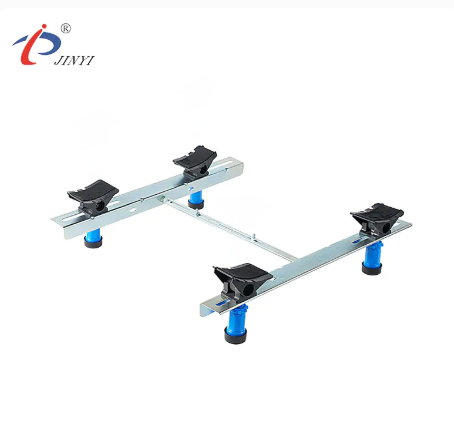
Why JINYI Is Your Trusted Partner?
With 30 years of experience, JINYI has exported shower tray frames to European markets for OEM and ODM projects. Our flexible MOQ, customized design options, and professional export support make JINYI an ideal partner for bathroom brands, distributors, and contractors.
Product Highlights:
Zinc-plated steel body for corrosion resistance
Adjustable legs for easy leveling
Compatible with most shower tray models
Eco-friendly and fully recyclable
Optional integration with drainage or noise-reduction features
By choosing JINYI’s eco-friendly metal support frames, you not only simplify installation but also commit to sustainable, high-quality construction.
Contact JINYI – Eco-Friendly Shower Tray Frame Manufacturer
Ready to adopt eco-friendly, durable, and patent-protected shower tray frames? Partner with JINYI Hardware, your reliable OEM & ODM manufacturer from China.
Website: https://www.yh-jinyi.com
Email: [email protected]
-
What Makes Shower Tray Support Legs Worth Using
Dec 15, 2025
What Makes Shower Tray Support Legs Reliable for Bathroom Renovations
Modern bathroom projects increasingly focus on durability, neat finishes, and ease of maintenance. While aesthetic choices often receive most of the attention, the unseen structural elements determine how well a wet area performs over time. One of the most practical unseen components is the mounting feet and leg system that supports the shower base. When chosen and installed carefully, these components help prevent movement, reduce noise, and protect plumbing connections. In renovation work — where floors may be uneven or old substrates remain in place — a dependable support arrangement provides installers with the flexibility they need to achieve a clean, stable result.
Reliability begins with design intent. A support solution that matches the tray's footprint and weight distribution makes it easier to level the unit and maintain consistent contact with the substrate. Installers value systems that allow fine adjustments at multiple points, so the base sits flush with surrounding tiles or panels. When the supporting components permit incremental changes, technicians avoid the need for ad hoc shimming or extensive subfloor alterations. This simplifies scheduling and reduces the likelihood of visible gaps later.
Material choice is also a practical consideration. Components that resist corrosion and maintain structural form in damp environments are more likely to provide long service life. When the support elements remain stable, sealants and edge trims perform better, and the interface between the tray and finished surfaces stays tidy. A stable base also reduces the chance of irregular load transfer, which helps adhesives and grout behave as intended.
Beyond the technical specifics, a reliable system eases the installer's workflow. Components that are accessible and straightforward to position speed up alignment and make final checks simpler. When teams can make adjustments without moving the entire fixture, the installation feels more controlled. This is especially useful in retrofit projects, where plumbing routes and wall finishes may be only partially compatible with the new base.
Finally, a dependable support arrangement contributes indirectly to user satisfaction. A shower that sits steadily and quietly underfoot, with edges that remain sealed, tends to require less corrective maintenance. Securely supported installations protect the building fabric and reduce the risk of water ingress, which is a frequent cause of longer-term repair bills. For renovators and homeowners alike, that practical peace of mind is often worth prioritizing.
Why Modern Installers Prefer Adjustable Shower Tray Support Legs
Professional installers increasingly favor adjustable systems because they help manage the everyday uncertainties of site work. Renovation environments rarely conform to the ideal: floors tilt slightly, wall finishes vary, and previous installations may have left irregularities. Adjustable feet and leg assemblies give technicians a practical toolset to overcome these conditions without resorting to heavy substrate work.
One major advantage is speed. Rather than spending hours building up or trimming subfloors to achieve level, teams can position the base and make point-by-point corrections. This reduces the downtime between rough-in and finishing stages, allowing tilers and plumbers to sequence their work more predictably. In projects with tight schedules, that predictability is a tangible benefit.
Adaptability is another reason for their popularity. Different tray designs require different support patterns: some need central support in addition to perimeter points, while others depend on adjustable pedestals across multiple locations. A modular system that accepts variation in leg placement enables installers to match the support to the specific tray geometry, making the same range of components useful across many projects.
Adjustable parts also help manage final alignment. During tiling and trim work, small shifts can occur. The ability to lift or lower single points without disassembling the whole installation simplifies finishing. Installers can make fine corrections to avoid visible gaps and ensure that drainage slopes remain intact. This level of control tends to improve the overall quality of the finished area.
Ergonomics and safety matter as well. Systems designed for easy reach and intuitive adjustment reduce the physical strain on workers. Fewer awkward lifts and less time spent under the tray lower the risk of injury and help maintain a steady workflow across a busy week. In short, adjustable configurations support a pragmatic, efficient approach that aligns with the realities of modern site work.
How Shower Tray Support Legs Improve Stability on Uneven Floors
Uneven substrates are among the most common challenges in bathroom renovations. Old screeds settle, timber joists twist, and past repairs create local highs and lows. Left unaddressed, these irregularities can create points of movement beneath the tray that over time lead to noise, seal failure, or grout cracks. Support legs that allow independent height control at multiple points are an effective way to mitigate these risks.
The principle is simple: by setting each leg to a height that matches the local floor profile, the tray achieves consistent contact and load distribution. This consistency reduces flexing during use, which in turn decreases stress on the tray edges and the adjacent tile work. When the load is spread evenly, adhesives and sealants remain under less strain and are less likely to separate.
Beyond static stability, adjustable systems help maintain drainage geometry. Proper fall toward the outlet is crucial for quick removal of water. If one corner of the tray settles more than another, pooling can occur. By correcting individual points during installation, technicians preserve the designed slope and help avoid nuisance standing water after the job is completed.
Several practical features enhance stability on irregular floors:
- Multi-point adjustment: allows several supports to be tuned independently.
- Wide contact pads: reduce the chance of localized crushing on softer substrates.
- Locking mechanisms: prevent drift after the initial setting.
- Access-friendly design: enables re-tensioning or checks after other trades finish.
Each of these elements contributes to a stable assembly that stands up to everyday use and environmental changes. In older buildings especially, these features reduce the need for invasive structural work, offering a cost-effective way to achieve a professional outcome.
Which Shower Tray Designs Work Well with Support Leg Systems
Not every base requires the same approach, but many contemporary tray types benefit from a well-considered support arrangement. Below are common styles and how adjustable supports interact with each.
Built-in or alcove trays
These units often sit against two or three walls and require careful edge alignment to achieve seamless integration with tiles and trims. Adjustable supports help set the tray so that the exposed edge aligns with the finished floor height and the grout lines. Where the tray meets the walls, small height corrections prevent gaps and support consistent joint widths.
Freestanding models
While freestanding designs are visually prominent, their base still depends on a stable foundation, particularly on older floors. Adjustable pedestals around the perimeter or beneath key structural points ensure the tub remains steady without disturbing the surrounding finish. For freestanding installations, the invisible support needs to preserve the design intent while delivering quiet, stable performance.
Corner shapes
Angular or asymmetric trays place uneven loads across their footprint. Systems that allow varied leg spacing provide the flexibility to place supports under the critical load paths. By tuning each point, installers can manage the distribution of weight across the frame and avoid high-stress zones.
Deep soaking basins
Deeper units hold greater water volume and therefore impose heavier static loads. Adjustable supports beneath the main load-bearing areas help carry this weight while protecting plumbing connections and preventing lateral movement. This reduces the risk of leaks developing where pipes join the tray.
Low-profile designs
Some modern trays feature shallow rims and sleek profiles. Because the margin for error is smaller, fine adjustments are valuable to prevent edge stress and to preserve clean sightlines. Small, precise support components help achieve the flush finish these designs require.
Tray types can be paired effectively with a modular support system, as long as the chosen components allow for the necessary placement, reach, and locking strength. A flexible support platform lets installers adapt one product to many styles, reducing inventory complexity while improving onsite performance.
When Should You Upgrade to a New Shower Tray Support Leg System
Deciding to refresh your support arrangement depends on several signals. An upgrade is often justified by either performance problems or the requirements of a new design. Typical triggers include:
Visible movement or noise
If the tray shifts underfoot or creaks when used, these signs point to inadequate or degraded support. Such symptoms often appear gradually and can worsen with regular use.
Loss of seal integrity
Repeated failures of grout or silicone joints at the tray edge may indicate differential movement. Replacing the support system is usually a more effective long-term fix than repeatedly re-sealing joints.
Major renovation or layout change
When the bathroom layout changes, support requirements can shift. A new tray shape, different flooring, or altered plumbing may justify a modern support system that better matches the new geometry.
Persistent drainage issues
If water pools despite the tray appearing level, the problem may be hidden: subsurface settlement or inadequate support can change the intended slope. Upgrading the support platform allows technicians to restore drainage lines reliably.
Age and material degradation
Old support assemblies may corrode or lose stiffness with time. Even if the issue is not yet obvious, replacing components during a wider refurbishment reduces the chance of future interruptions.
Regulatory or performance improvements
Newer support systems sometimes include features that make maintenance simpler or that help meet updated installation practices. A modern platform can reduce installation time and provide easier access for future service.
When upgrading, aim for a system that is compatible with the tray geometry and offers practical adjustment range, secure locking features, and clear paths for inspection. Installation teams should plan the change as part of the broader waterproofing and tiling works to ensure all trades coordinate their activities efficiently.
Practical Guidance: Choosing, Installing and Maintaining Support Legs
Choosing the right system and applying it correctly helps avoid rework. Here are some practical recommendations that reflect industry practice without specifying measurements.
Selection tips
- Choose a modular set that adapts to multiple tray shapes and support patterns.
- Prefer components with corrosion-resistant finishes to suit wet environments.
- Look for units that lock securely after adjustment to prevent drift.
- Ensure the contact interface is wide enough for the expected substrate type.
- Pick a solution that allows future access for plumbing checks or service.
Installation sequence
Prepare the substrate, clearing debris and confirming the local profile.
Place the tray gently and identify initial leg positions.
Set legs incrementally, working around the footprint to establish even contact.
Verify drainage slope toward the outlet before final locking.
Complete surrounding finishes and re-check alignment after adjacent trades finish.
Maintenance and inspection
- Check legs during routine bathroom inspections or when the room is re-tiled.
- Re-tension locking elements if small shifts are detected.
- Keep access panels available where possible to speed up future plumbing work.
- Replace corroded or damaged parts promptly rather than repeatedly re-sealing joints.
Cost vs value considerations
Upgrading support components is a relatively modest intervention compared to reconstructing floors or repeatedly repairing seals. While initial outlay is a factor, the predictable lifespan, reduced call-backs, and improved finish quality are practical returns that many renovators factor into project budgets.
Shower tray support legs and related mounting systems are an essential but often overlooked element of a successful bathroom installation. By allowing fine adjustments, offering secure locking, and matching the tray geometry, modern support solutions address real-world site conditions without requiring disruptive substrate work. Installers prefer adjustable systems because they speed up alignment, reduce rework, and help preserve drainage geometry. For homeowners and building managers, a stable base minimizes maintenance visits and protects surrounding finishes.
When planning a renovation or repair, consider the tray type, the condition of the underlying floor, and the desired level of access for future service. Choose a support platform that provides multi-point adjustment, reliable locking, and materials suited for a damp environment. Doing so helps deliver a stable, quiet, and well-sealed bathing area that integrates cleanly with tile and trim finishes — all while keeping installation workflows straightforward and predictable.


- 210 Jinhai Avenue, Lupu Economic Development Zone, Yuhuan City, Taizhou City, Zhejiang Province.
- +86-576-87423248 / +86-576-87499120
- +86-17769979117 / +86-13750801289
- +86-576-87425996
- [email protected] / [email protected]

